A famous jam experiment suggested that too many choices stop people from buying anything, but later research complicated the story

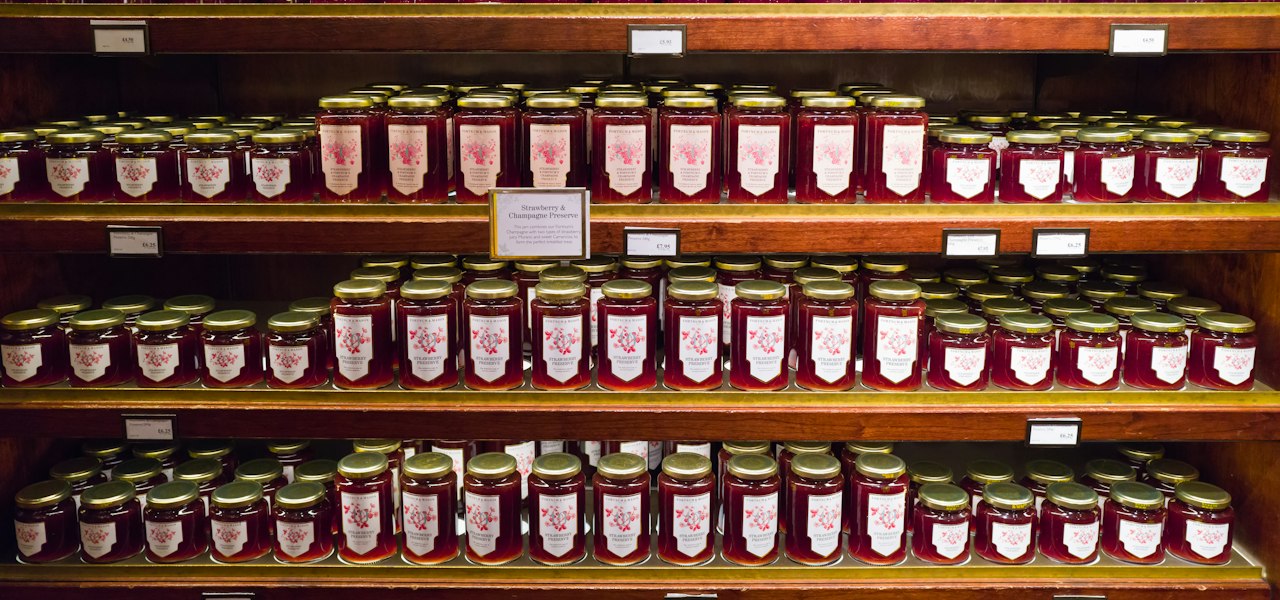
In a California supermarket in the 1990s, researchers set up a tasting table for gourmet jams. On some days the table offered 24 flavors. On other days it offered just 6. The results became one of the most quoted findings in consumer psychology.
In the study by Sheena Iyengar and Mark Lepper, published in 2000, the larger display attracted more people: about 60% of passing shoppers stopped, compared with about 40% for the small display. But only about 3% of those who saw 24 jams bought one, compared with about 30% of those who saw 6.
The researchers called this choice overload. Too many options, they argued, can make decisions feel harder and less satisfying, leading people to put them off or avoid them entirely. In other experiments, people who chose a chocolate from a large selection were less satisfied with their pick than those choosing from a small one.
The idea caught on. It was used to argue for simpler retirement plans, fewer product lines and shorter menus, and the phrase the paradox of choice entered everyday language.
Later research complicated the picture. In a 2010 meta-analysis, Benjamin Scheibehenne and colleagues combined 50 experiments on choice overload and found that, on average, the effect was close to zero. Some studies found that more choice hurt decisions, others found it helped, and many found no effect at all.
Rather than proving the original finding wrong, this suggests that choice overload depends on the situation. Later work has found it is more likely when options are hard to compare, when people do not have clear preferences, when they are short on time, or when the decision feels difficult. When people know what they want, a larger selection can help them find it.
For everyday decisions, this offers a practical rule of thumb. If a choice feels paralyzing, it can help to narrow the options first, for example by deciding on two or three must-have features, rather than comparing everything at once. Businesses that sort options into clear categories may get some of the benefits of variety without overwhelming customers.
The jam study remains a useful story, but it is a reminder that a single striking experiment, however memorable, rarely settles a question on its own.
Sources
Iyengar SS, Lepper MR. “When choice is demotivating: Can one desire too much of a good thing?” Journal of Personality and Social Psychology, 2000.
DOI: 10.1037/0022-3514.79.6.995
Scheibehenne B, Greifeneder R, Todd PM. “Can there ever be too many options? A meta-analytic review of choice overload.” Journal of Consumer Research, 2010.
DOI: 10.1086/651235