Commuters asked to talk to a stranger on the train had a more pleasant ride, even though most people predicted the opposite

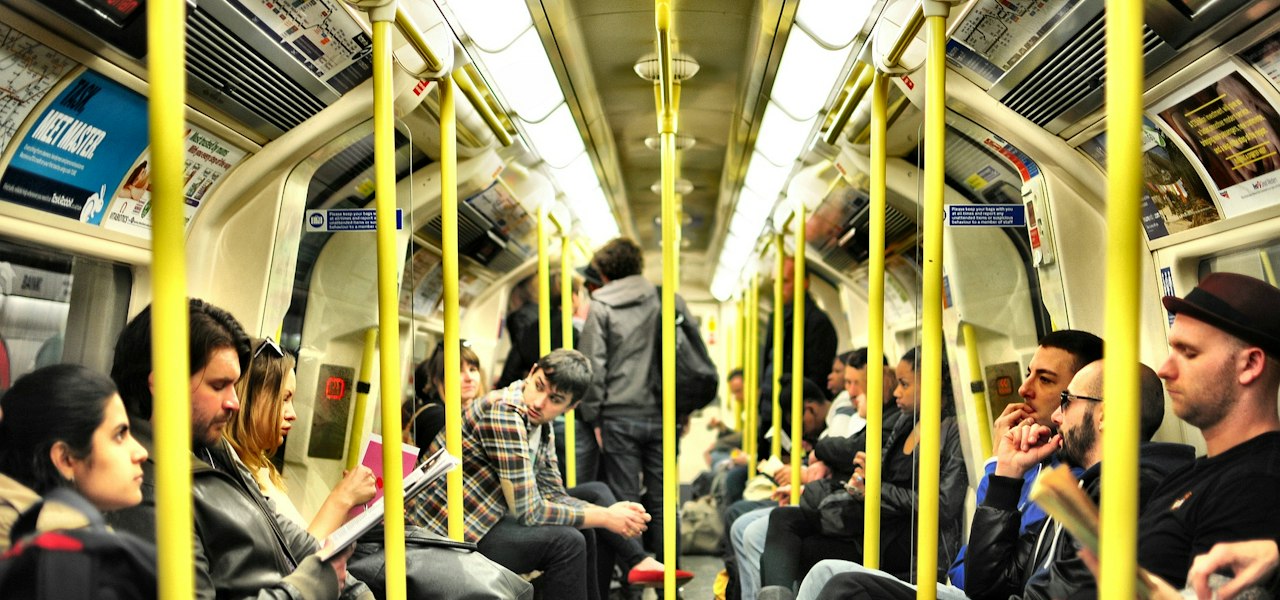
On a crowded morning train, most people stare at their phones or out the window. Talking to the stranger in the next seat feels risky: they might not want to chat, the conversation might be awkward, and it is easier to keep to yourself. In 2014, two researchers at the University of Chicago tested whether that instinct is right.
In the study by Nicholas Epley and Juliana Schroeder, commuters on Chicago trains and buses were given one of three instructions. Some were asked to strike up a conversation with a stranger. Others were asked to sit in solitude. The rest were told to commute as usual. At the end of the ride, everyone rated how pleasant the trip had been.
The people who had talked to a stranger reported the most positive commutes. Those who had stayed in solitude reported the least positive ones. Talking did not make people less productive or more stressed.
The surprising part came when the researchers asked a separate group of commuters to predict how each condition would feel. Most expected that talking to a stranger would be the worst experience and solitude the best. They also expected that strangers would not want to talk to them.
In the experiments, people who tried to start a conversation generally found strangers willing to talk. The researchers suggested that people underestimate other people’s interest in connecting, so everyone sits in silence, each assuming the others prefer it that way.
Similar results appeared in other settings the team tested, including taxis and waiting rooms, and from both sides of the conversation: the people who were approached also tended to enjoy it. Later studies by other teams have found much the same.
The finding adds to a growing body of work showing that small interactions with strangers and acquaintances, sometimes called weak ties, contribute to everyday well-being more than people expect.
None of this means everyone should be pushed into conversation on every trip. Some people value quiet time, and context matters: a late-night bus is not the same as a sunny morning train. But for people who would like to feel more connected, a short chat with a stranger may be a cheaper and easier mood boost than it seems.
The original study was conducted in one city with relatively brief rides, and participants knew they were part of a study, which may have made starting a conversation easier. Even so, the gap between what people expected and what they experienced was large and consistent.
Source
Epley N, Schroeder J. “Mistakenly seeking solitude.” Journal of Experimental Psychology: General, 2014.
DOI: 10.1037/a0037323